
How VPNs work and why encryption matters?
At The VPN Hub, we provide honest and trustworthy reviews to help you choose the best VPN. Protect your devices and data while browsing the internet, ensuring safety for you and your loved ones. Explore our expert insights and make informed decisions today!
11/2/20252 min read

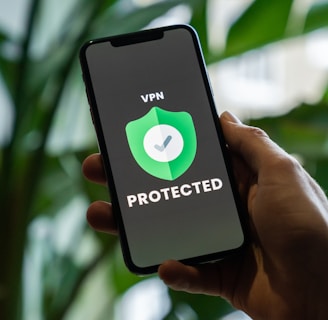
In a world where every click, search, and login can be tracked, privacy is no longer optional. It’s essential! That’s where a VPN (Virtual Private Network) comes in.
VPNs are the invisible armor of the modern internet: protecting your data, identity, and freedom online. But how do VPNs really work? And why does encryption matter so much? Let’s break it down.
What is a VPN?
A VPN (Virtual Private Network) creates a secure, encrypted tunnel between your device and the internet. Instead of connecting directly to a website or app, your traffic is first routed through a VPN server, masking your IP address and encrypting all data you send or receive.
Think of it as sending a sealed, unbreakable envelope instead of an open postcard.
In simple terms:
Without a VPN → Anyone (your ISP, hackers, or government) can see what you’re doing online.
With a VPN → Your data travels through an encrypted tunnel, and your real location stays hidden.
Here’s the process step-by-step:
You connect to a VPN server (e.g., in another country).
The VPN encrypts your data before it leaves your device.
Your ISP (Internet Service Provider) only sees encrypted traffic — not what sites you visit.
The VPN server then connects to the internet on your behalf.
Websites see only the VPN server’s IP address, not yours.
As a result: You browse privately, securely, and without geographic limits.
Why encryption matters?
Encryption is what makes a VPN truly private. It turns your online activity into unreadable code. Even if intercepted, it’s useless without the encryption key.
Most VPNs use AES-256 encryption, the gold standard trusted by:
Governments and military organizations
Banks and global enterprises
Security experts worldwide
This level of encryption would take billions of years to crack with current technology.
Without encryption:
Hackers can steal passwords on public Wi-Fi.
ISPs can sell your browsing data.
Governments or companies can track everything you do.
With encryption:
Your information is unreadable to anyone but you.
You stay anonymous and protected, wherever you connect from.
👉 Best encryption protocols for your IOS, Android and Microsoft device
Everyday benefits of a VPN
Beyond privacy, VPNs open up a new level of digital freedom. You can:
Stream global content (Netflix, BBC iPlayer, Disney+)
Stay safe on public Wi-Fi in cafes, airports, or hotels
Prevent ISP throttling and maintain consistent speeds
Secure remote work and protect sensitive business data
Bypass censorship and restrictions in certain countries
What makes a good VPN?
When choosing a VPN, look for:
Strong encryption (AES-256)
Verified no-logs policy (independently audited)
Fast protocols like WireGuard or NordLynx
Global server coverage
24/7 live chat support
Multi-device support
Expert picks: Best VPNs for security and speed
In today’s digital world, data is power, and encryption is your shield.
A VPN doesn’t just hide your activity; it reclaims your privacy and protects your freedom online. Whether you’re streaming abroad, securing business data, or browsing on public Wi-Fi, the right VPN makes your connection truly safe.
Start protecting your data today with a trusted VPN. Your privacy is worth it!
Related guides
How Does a VPN Work?
If you’re serious about privacy, choose a proven provider with top-tier security and performance:
🥇 NordVPN – Best for overall privacy & performance (NordLynx, audited no-logs).
🥈 Surfshark – Best value with unlimited devices and CleanWeb protection.
🥉 PureVPN – Best for global access with verified no-logs and dedicated IP options.
Each of these VPNs uses advanced encryption and cutting-edge security, tested and trusted by millions of users worldwide.