
Top countries where VPNs are essential
Discover the importance of using VPNs in countries with strict internet restrictions. Learn how the best VPNs for travel can help you bypass these limitations and enjoy unrestricted access to online content.
11/2/20253 min read
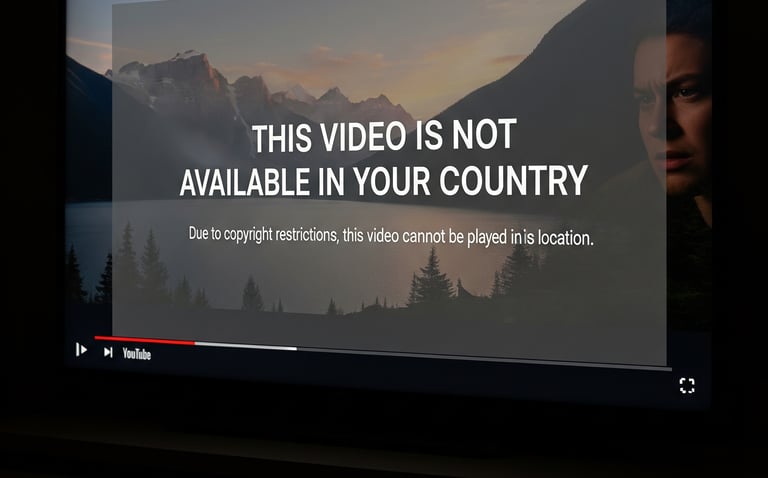
VPNs have become essential tools for online privacy, streaming freedom, and digital security. But depending on where you live, using a VPN can either be a smart privacy move or a legal gray area.
If you’ve ever asked yourself, “Are VPNs legal in my country?” This guide explains everything you need to know, so you can stay both safe and compliant
What the law says about VPNs?
A VPN (Virtual Private Network) is perfectly legal in most countries. It’s simply a technology that encrypts your internet traffic and hides your IP address, which is something businesses, journalists, and travelers use daily.
However, some governments restrict or ban VPNs to control access to information, prevent circumvention of censorship, or monitor citizens online.
Using a VPN isn’t illegal by itself, but using it for illegal activities (like hacking, spreading malware, or accessing banned content) is always against the law no matter where you are.
In most of the world, VPNs are 100% legal to use. This includes:
United States
Canada
United Kingdom
European Union countries (Germany, France, Spain, Italy, etc.)
Japan
In these regions, VPNs are used daily by millions, from corporations securing remote work to individuals streaming global content securely.
Tip: Even in legal jurisdictions, always choose a reputable VPN with a verified no-logs policy, like:
Countries with VPN restrictions
Some countries allow VPNs but impose regulations on who can operate or use them. Typically, only government-approved VPNs are permitted, and activity may be monitored or logged.
These include:
China – Only state-approved VPNs are allowed. Unauthorized use can result in fines.
Russia – VPN providers must block government-blacklisted sites.
Turkey – VPN access is often restricted to control social media usage.
Iran – Legal only with government permission.
United Arab Emirates – VPNs allowed for legitimate business, but misuse can lead to heavy fines.
Oman – Restricted use; unauthorized VPNs are blocked.
In these countries, using a VPN to bypass censorship or access restricted content can carry legal risks.
Countries where VPNs are banned
A small number of nations completely ban VPN usage or prosecute users who try to access restricted networks.
These include:
North Korea – All VPNs and foreign internet access banned.
Iraq – VPNs prohibited since 2014 to control online content.
Turkmenistan – VPNs blocked and monitored heavily.
In these areas, VPN use can result in fines, confiscation of devices, or even imprisonment.
How to use VPNs safely and legally?
If you’re in a restricted region but still need online privacy, follow these guidelines:
Use a trusted, secure VPN provider with obfuscation or “stealth mode.”
Never use VPNs for illegal purposes like hacking or accessing banned material.
Turn on a kill switch to prevent data leaks if your connection drops.
Choose servers wisely and connect to countries with strong privacy laws.
Why most people still use VPNs?(Legally)
Remember! VPNs are legal in most of the world, as long as you’re using them responsibly.
They’re essential for protecting your identity, data, and digital freedom — especially in an age where online surveillance and cyberattacks are rising.
If you value your privacy and security, now’s the time to invest in a reliable, trusted VPN:
NordVPN – Best overall for privacy & speed
Surfshark – Best for unlimited devices
PureVPN – Best for global access
👉 Start browsing safely today — your privacy deserves it.
Related guides
Countries where VPNs are legal
Even in regions with restrictions, the demand for VPNs continues to grow. People use VPNs to:
Protect personal data on public Wi-Fi
Access global streaming platforms
Bypass throttling from ISPs
Stay anonymous while traveling or working remotely
VPNs aren’t tools for hiding wrongdoing. They’re digital safety gear for the modern internet user.